




Healthcare
SaaS
Product
Simpl Healthcare – The AI-Powered Cure for Physician Burnout
A scalable healthcare platform designed to simplify patient records and empower faster, data-driven care making things easy for physicians and patients equally.
Duration
12 Months
Industry
Healthcare
Impact
200% Increased
Location
USA
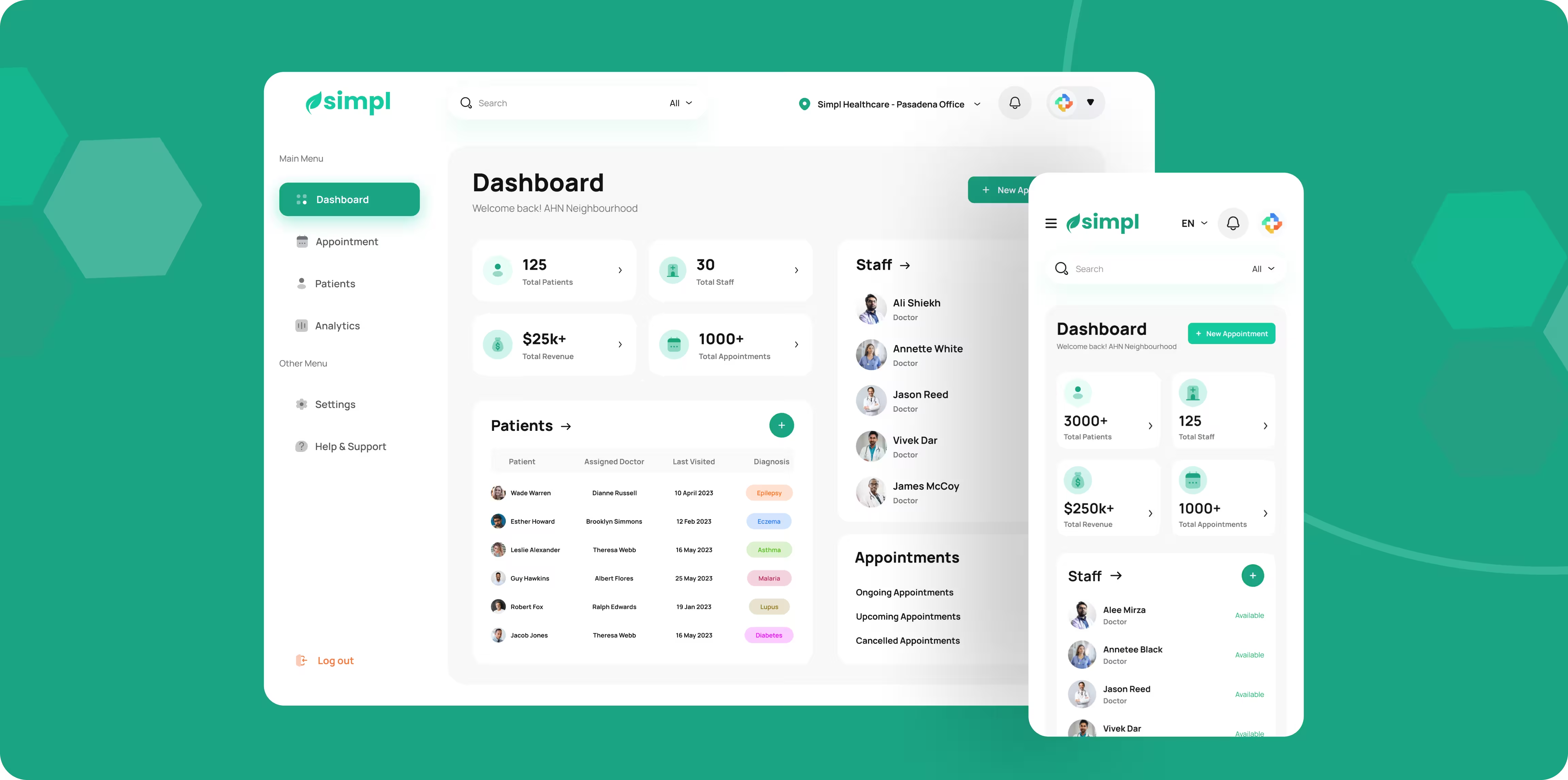
About Simpl Healthcare
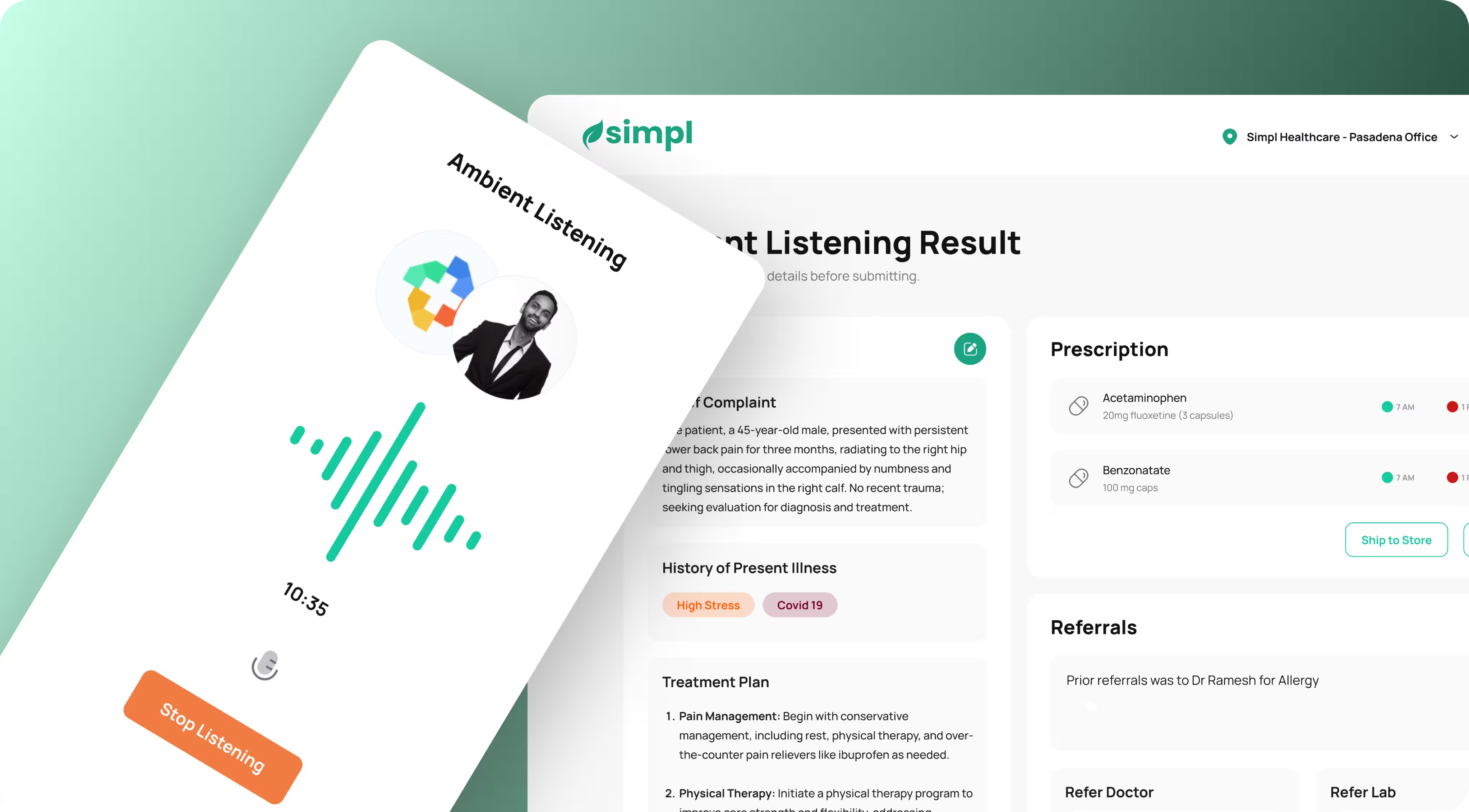
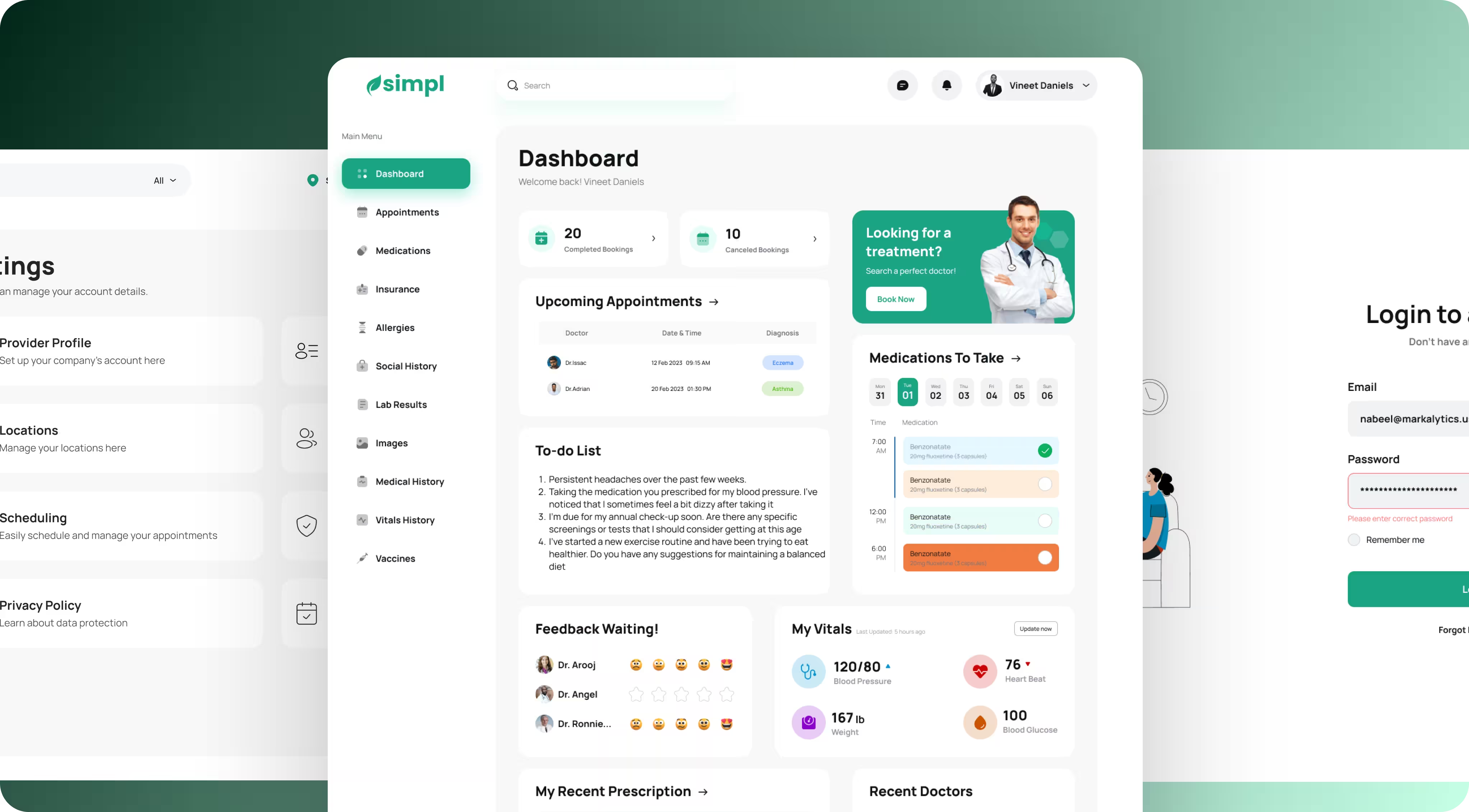
Healthcare technology is notoriously complex, clunky, and fragmented. Simpl is the digital solution to provide clarity to the complex patient’s data. It unifies medical records, history, medications, diagnostics, and vitals into a single, intuitive patient profile for doctors and practitioners. Instead of navigating fragmented systems, care teams get a complete, real-time view of each patient’s health journey. Simpl also supports proactive care through features like medication reminders, helping improve consistency and outcomes. On the operational side, healthcare facilities can manage company profiles, onboard doctors, and define availability, creating a connected system that supports both care delivery and scale.

Client Story
The client identified a growing problem within the US healthcare system i.e. manual and fragmented patient records slowing down care delivery. He went through all these problems himself and wanted to solve them through a product to streamline records (existing only in the form of an idea in his mind).
The Challenge
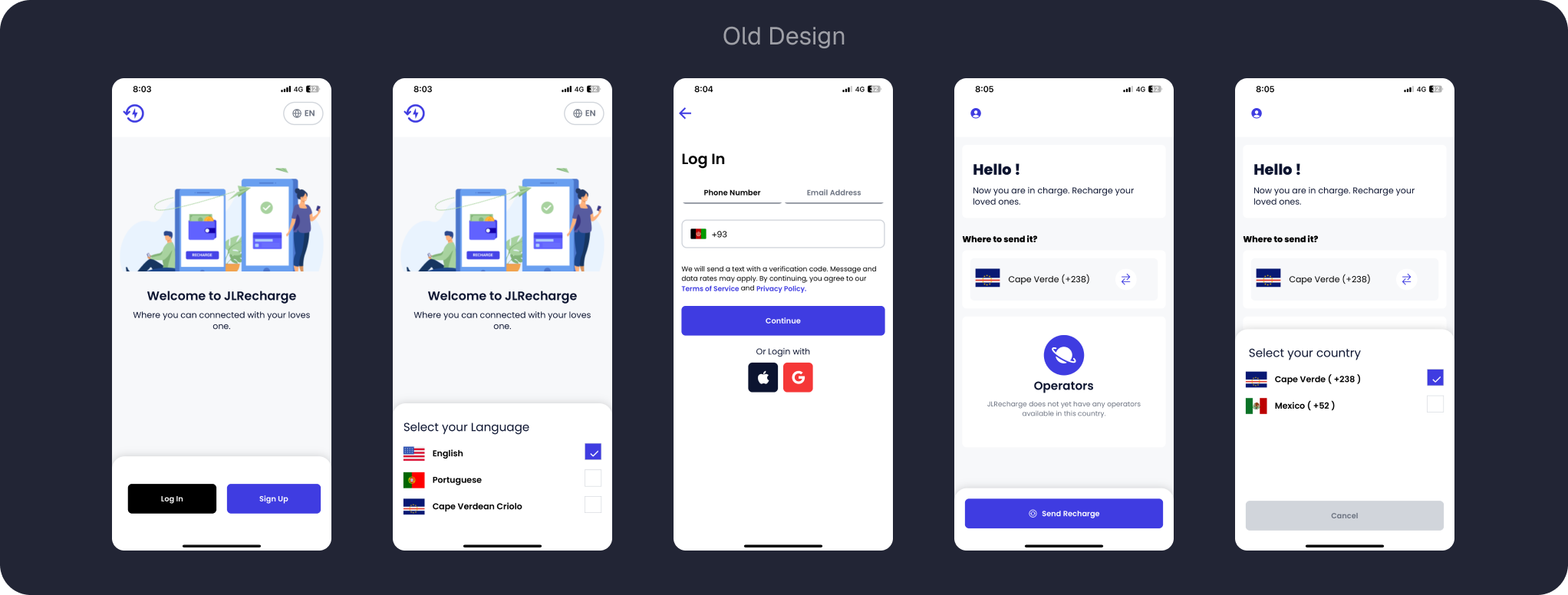
The client approached Prodzyn only with a raw idea; this means for us, developing Simpl was nothing but uncertainty. All we had was a query with the ability to turn into a brilliant idea of a practical product. In other words, we had no structure, no workflows, no defined technical direction, coupled with the complexity of the fragmented healthcare data. Hardest challenges that we face include;
Undefined Product Scope
No clear feature list, user flow, or product boundary, only a broad vision to digitize healthcare records.
Complex Healthcare Data
Patient information spans multiple categories and sensitivities, making organization difficult.
Enterprise Scalability Requirements
The product needed to work for individual practitioners while also supporting multi-doctor facilities and future expansion.

Undefined Product Scope:
No clear feature list, user flow, or product boundary, only a broad vision to digitize healthcare records.
No clear feature list, user flow, or product boundary, only a broad vision to digitize healthcare records.

Complex healthcare data:
Patient information spans multiple categories and sensitivities, making organization difficult.
Patient information spans multiple categories and sensitivities, making organization difficult.

Enterprise Scalability Requirements:
The product needed to work for individual practitioners while also supporting multi-doctor facilities and future expansion.
The product needed to work for individual practitioners while also supporting multi-doctor facilities and future expansion.
The Solution
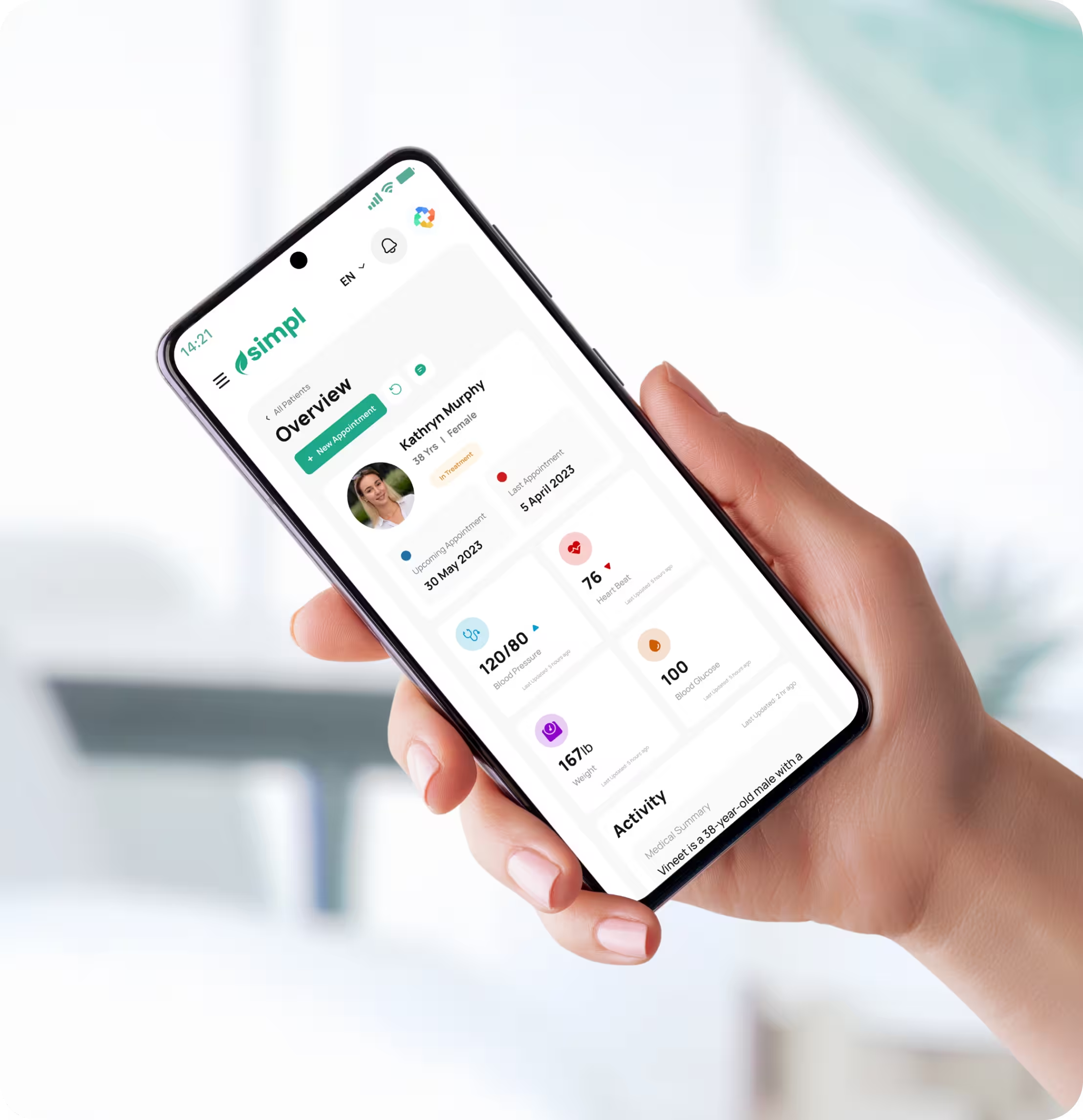
With our strategic approach and professional brilliance, we turned a raw and wild idea into an enterprise-level, fully functional healthcare digitization product. We defined core user roles, workflows, and feature priorities before moving into interface design. Patient data was organized into a modular, easy-to-navigate profile system that allows practitioners to access critical information quickly without cognitive overload. Alongside this, we designed scalable company and doctor management modules to support real-world healthcare operations. A consistent design system tied everything together, ensuring accuracy, usability, and long-term scalability across the product.



Design Process
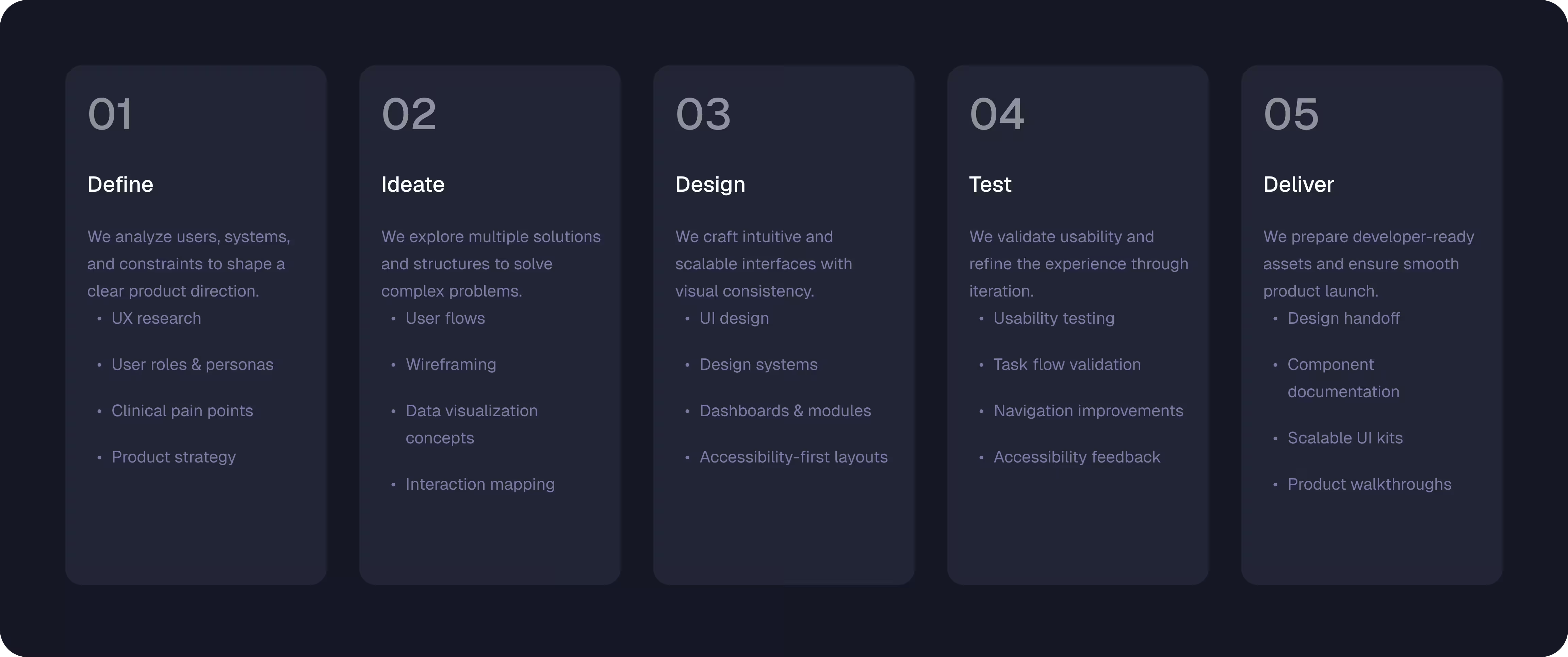
Our design process for Simpl was rooted in research, strategy, and iterative development. We treated every decision as critical, knowing that the success of the platform would depend on precision, usability, and scalability. From understanding complex clinical workflows to mapping patient and facility data, each stage of the process ensured that the final product was not only visually coherent but also optimized for real-world healthcare operations.
Define
- Mapped user roles and personas
- Identified primary pain points in clinical workflows
- Audited existing record systems for gaps
- Prioritized features based on impact and feasibility
- Established compliance and privacy requirements
- Defined product scope and MVP features
Ideate

- Created multiple user flow options
- Sketched wireframes for all core screens
- Brainstormed solutions for complex data visualization
- Mapped interactions for both patients and doctors
- Explored scenarios for emergency and routine use
- Collaborated with the client for early validation
Design
- Developed high-fidelity screens with clarity-first layouts
- Structured modular patient profiles for easy navigation
- Applied consistent typography, color, and iconography
- Designed scalable doctor & facility management modules
- Created dashboards with actionable insights at a glance
- Built accessible and intuitive interactions
Test
- Conducted usability tests with mock users
- Observed task completion times and bottlenecks
- Iterated on navigation and information hierarchy
- Validated real-world clinical use cases
- Collected feedback for accessibility improvements
- Ensured error prevention in critical workflows
Deliver
- Produced a complete design system with reusable components
- Documented interactions, styles, and patterns for developers
- Delivered pixel-perfect screens ready for implementation
- Ensured scalability for multi-facility operations
- Handoff included guidelines for future feature expansion
- Supported client onboarding with product walkthroughs
Define
- Mapped the complete trademark registration lifecycle, from user intent to USPTO submission
- Identified critical failure points leading to rejections and delays
- Defined primary user groups including individuals, businesses, and repeat filers
- Established functional requirements based on legal compliance needs
- Clarified consultant involvement touchpoints within the digital flow
- Set success metrics around accuracy, completion rate, and reduced friction
Ideate
- Translated legal workflows into step-by-step digital journeys
- Structured information architecture to match user mental models
- Designed guided form logic to prevent incorrect inputs early
- Planned progressive disclosure to avoid overwhelming users
- Explored validation and review checkpoints for consultant oversight
- Aligned ideation with scalability and future feature expansion
Design
- Designed clean, structured interfaces focused on clarity and trust
- Created form-heavy layouts optimized for long data entry sessions
- Developed visual hierarchy to guide users through complex steps
- Built reusable UI components for consistency and speed
- Designed feedback states for errors, success, and progress tracking
- Ensured accessibility and readability across devices
Test
- Validated user flows for first-time and repeat applicants
- Tested edge cases related to incorrect classifications and documents
- Reviewed form logic to ensure data completeness before submission
- Iterated on copy and micro-interactions to reduce confusion
- Conducted internal usability reviews with real filing scenarios
- Refined flows based on consultant feedback and operational needs
Deliver
- Delivered a production-ready, scalable trademark filing platform
- Ensured seamless handoff between user submission and consultant review
- Optimized performance for real-time uploads and form handling
- Implemented a workflow that minimizes rejection risks
- Aligned final build with USPTO process requirements
- Launched a system designed for long-term operational efficiency
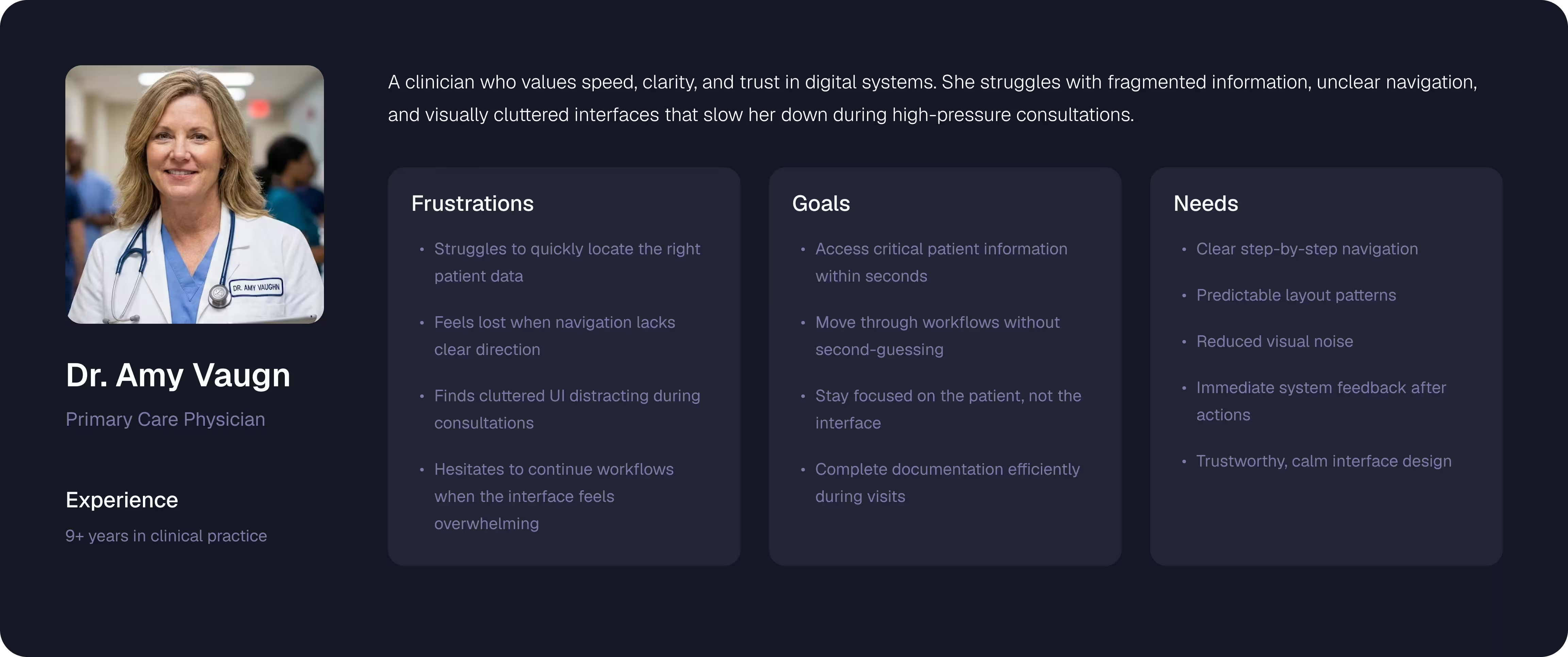
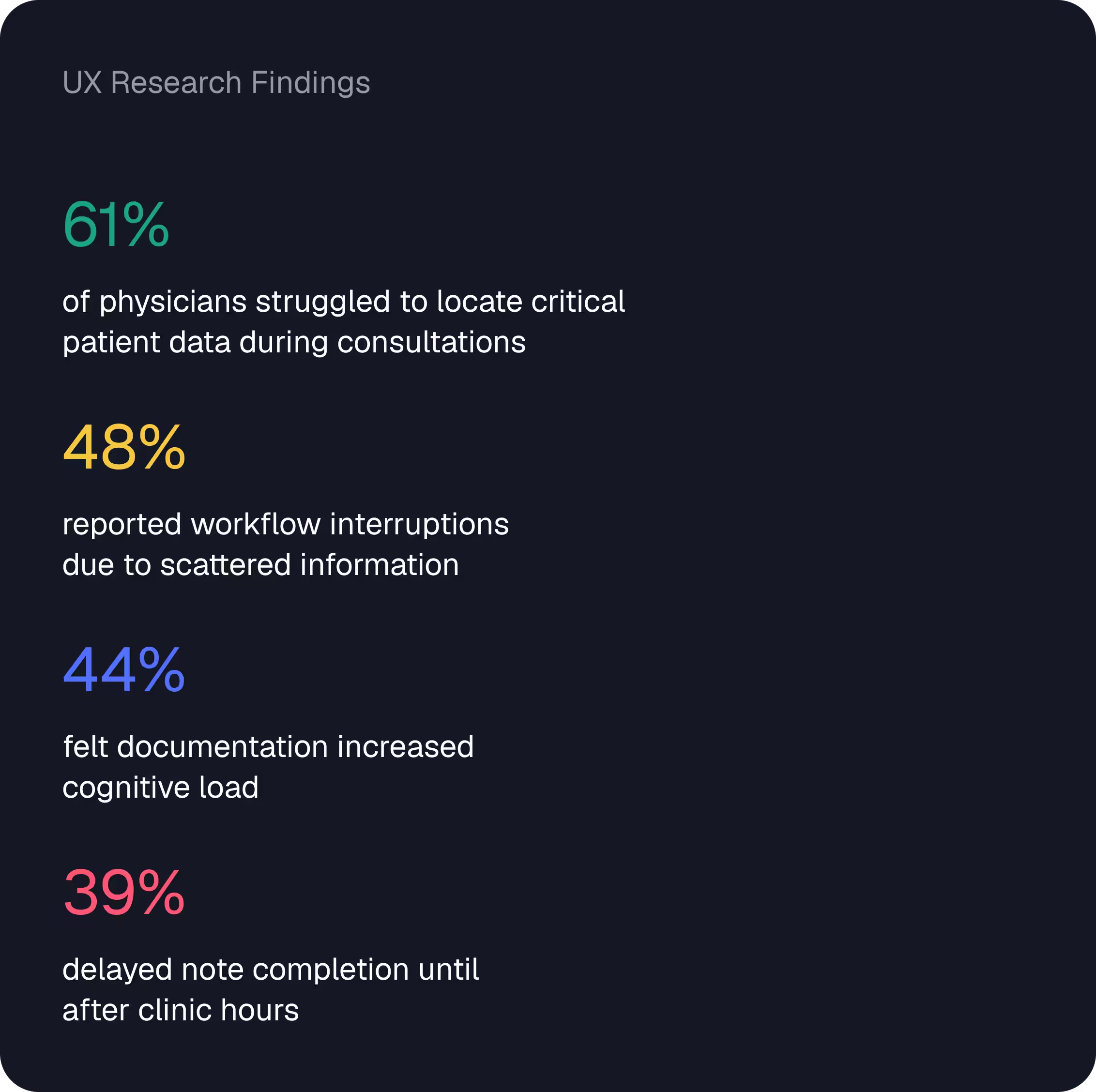
Discovery/ UX Research
Our discovery phase focused on understanding real clinical workflows, practitioner pain points, and compliance-driven constraints. We analyzed how doctors access patient data, where delays occur, and which information is most critical during consultations. Insights from this research shaped the product’s information architecture, ensuring that every screen prioritized speed, clarity, and usability in high-pressure medical environments.
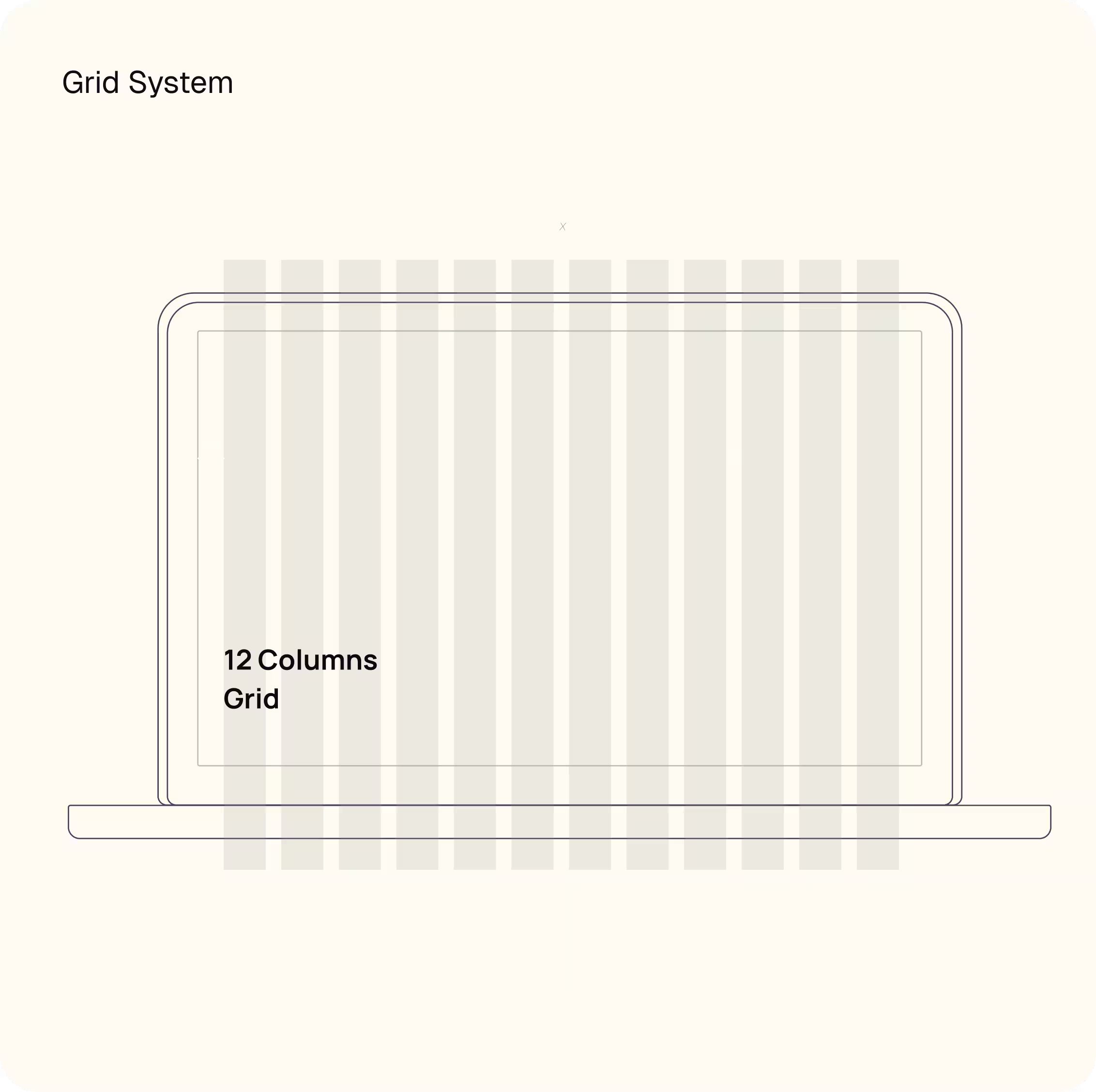
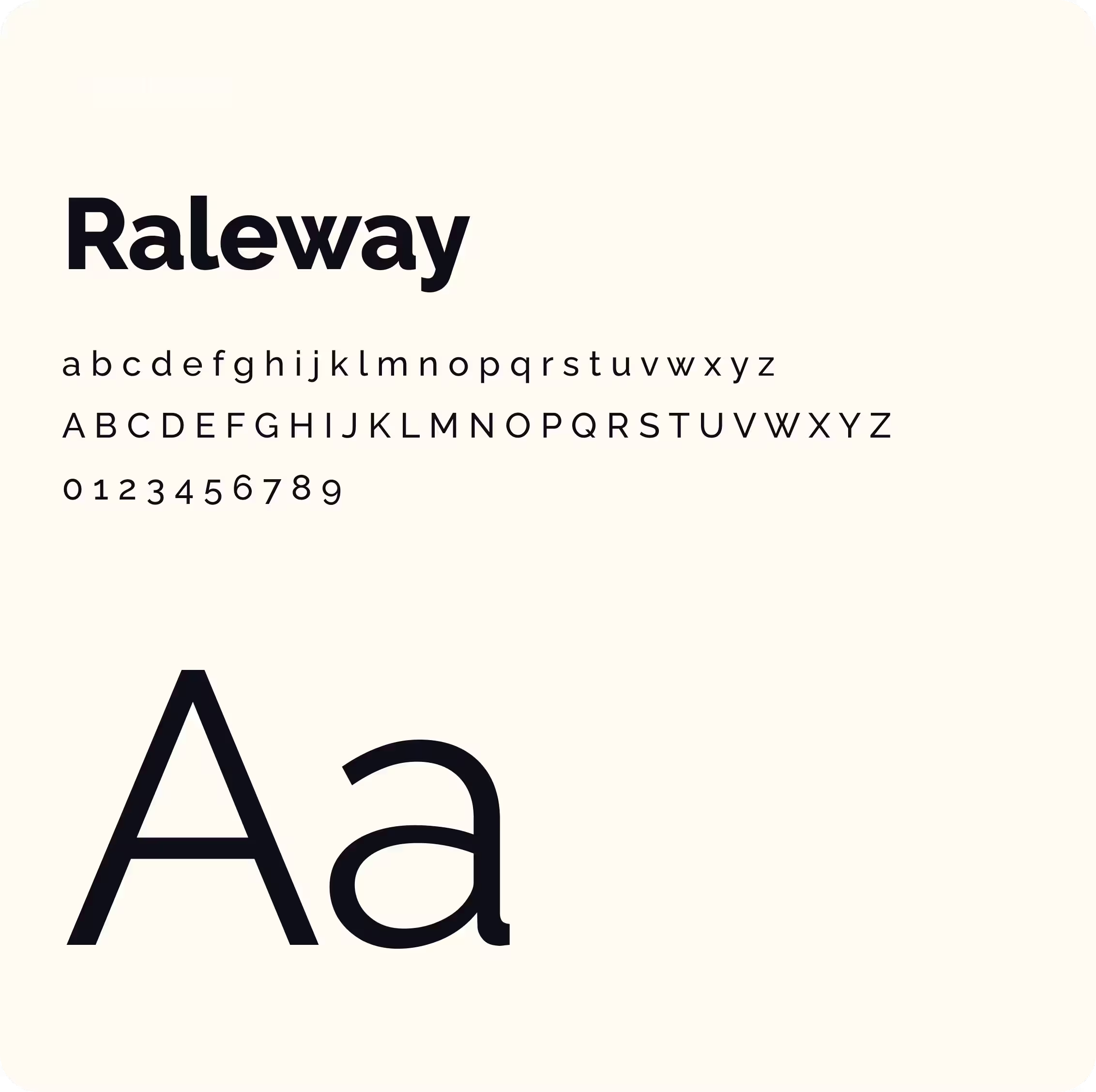
Style Guide & Components
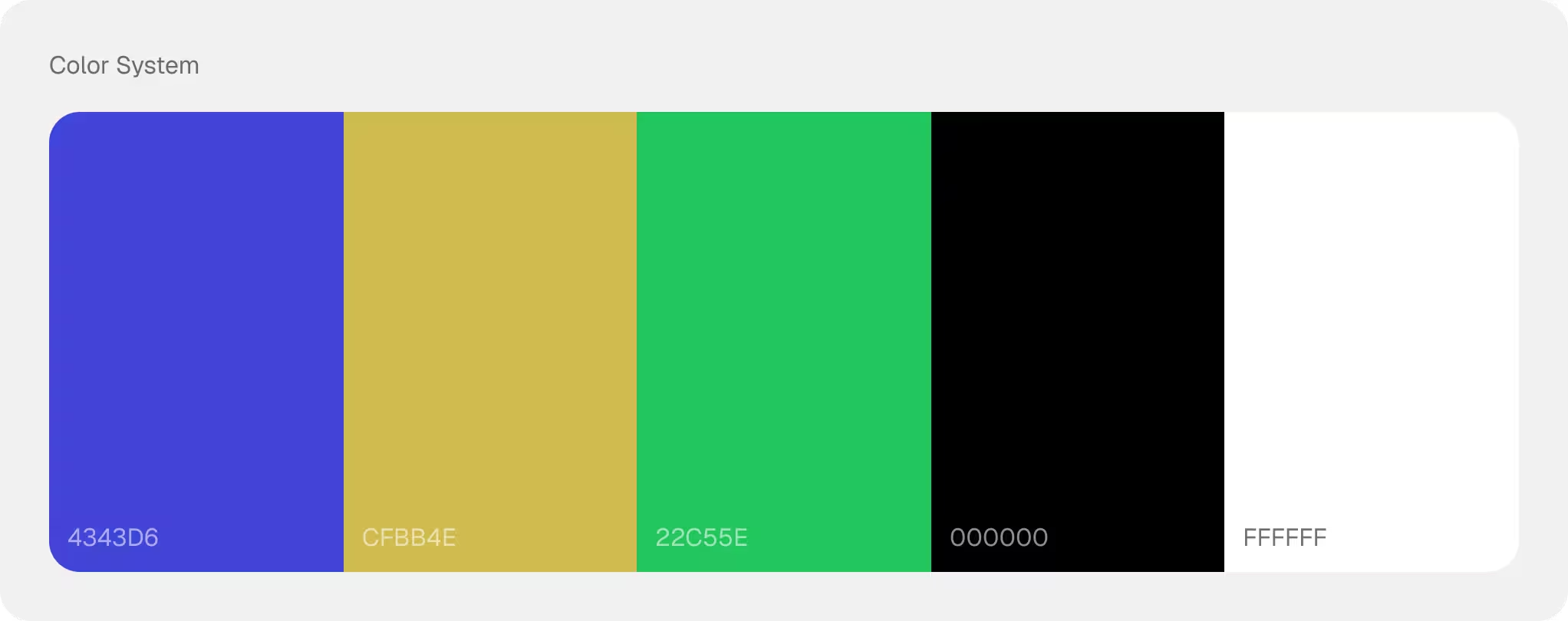
We developed a scalable design system to maintain consistency across the product while allowing flexibility for future growth. Clean layouts, clear visual hierarchy, and accessible color contrasts were carefully chosen to reduce cognitive load. Reusable components and standardized interaction patterns ensured faster development cycles and a cohesive experience across patient profiles, facility management, and scheduling modules.
Let’s work together!
Bring your idea to life with design, strategy, and no-code innovation.

Final Design
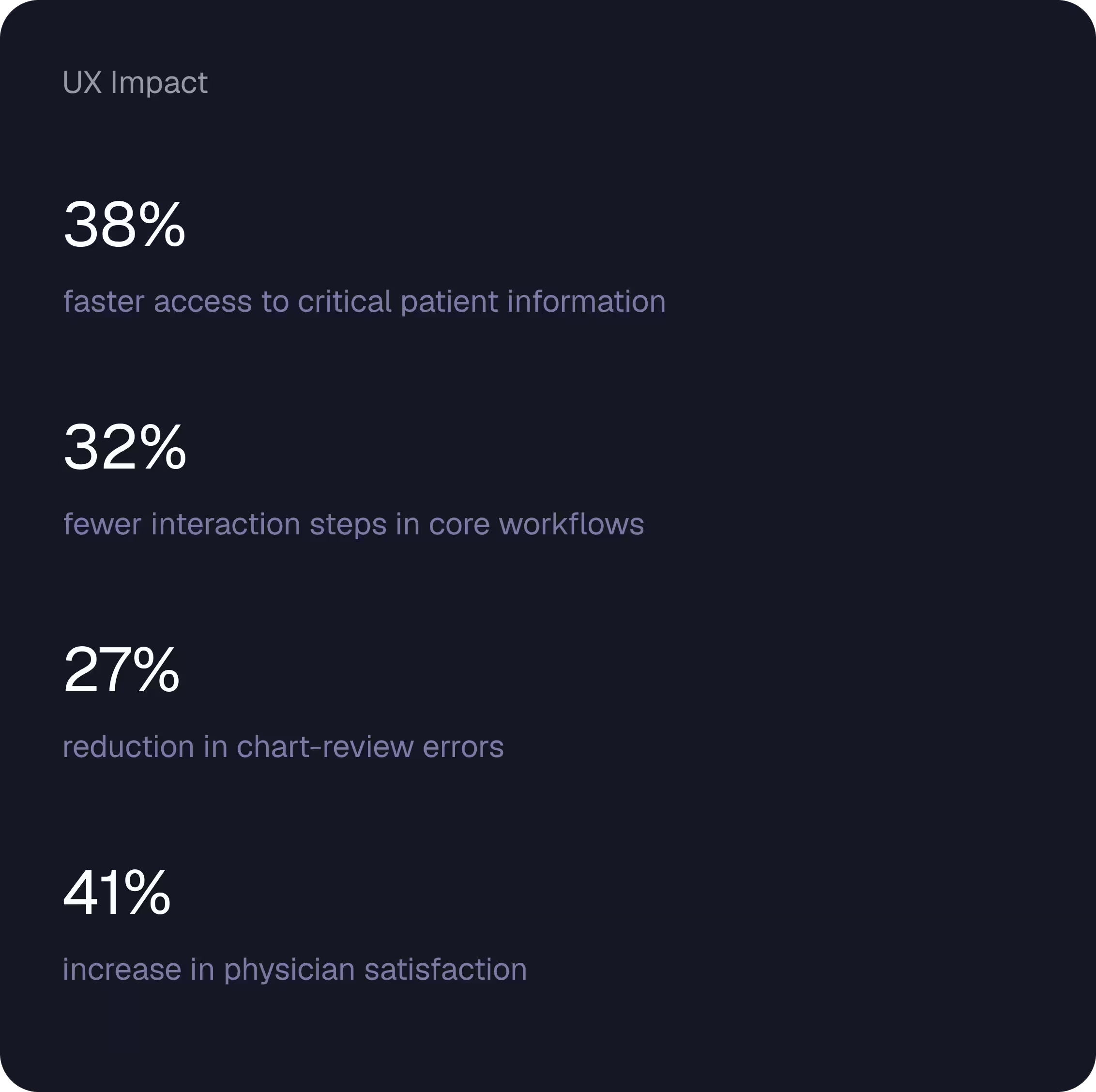
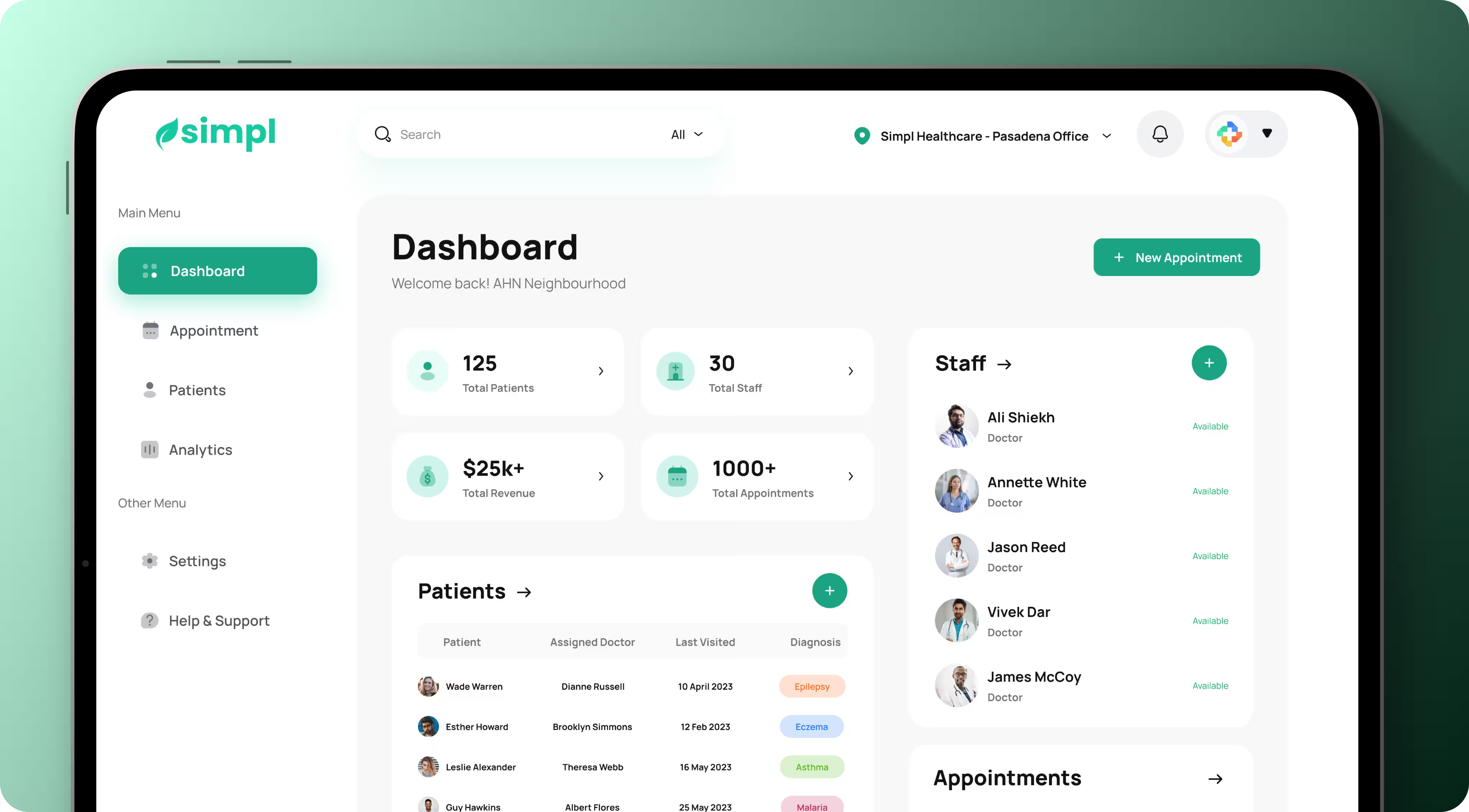
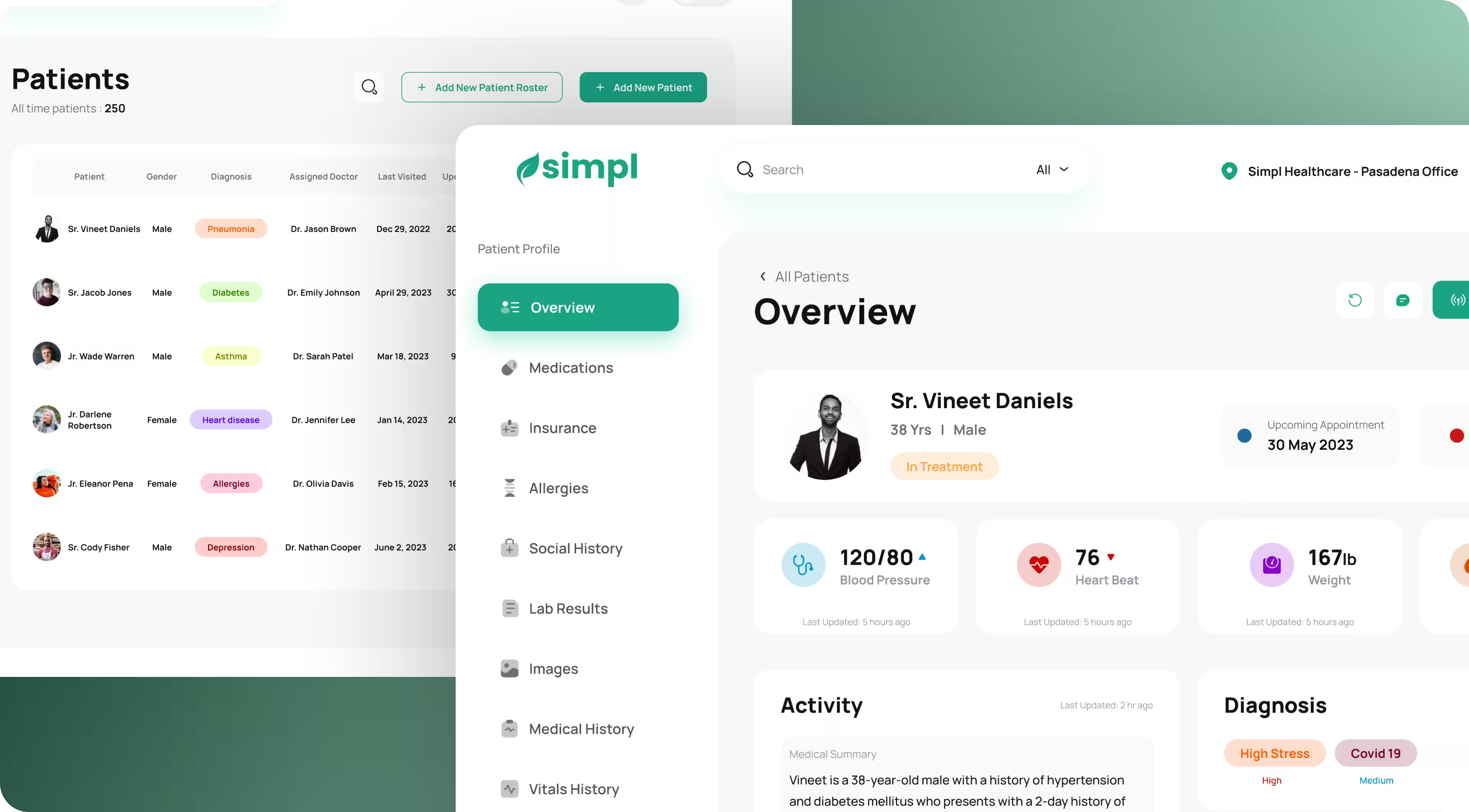
Simpl launched as a fully functional, enterprise-ready healthcare platform that successfully replaced fragmented, manual record-keeping with a centralized digital system. The product enabled doctors and healthcare facilities to access patient information faster, manage care more efficiently, and operate with greater consistency across teams. From a usability and performance perspective, the platform delivered measurable improvements in how practitioners interact with patient data and manage daily workflows.
Duration
1 month
Industry
Healthcare/Wellness
Impact
400% Increased Conversion
Impact
United States
Duration
1 month
Industry
Healthcare/Wellness
Impact
400% Increased Conversion
Impact
United States
The Results
- 40% faster access to critical patient information during consultations
- 60% reduction in manual record handling across facilities
- 1,150+ patient records successfully digitized and managed
- 144+ product screens designed and delivered across core modules
- Improved task completion rates for patient lookup, updates, and reminders

Have a Project like this?
Turn your vision into a digital product that engages, converts, and scales.


Oops! Something went wrong while submitting the form.
